




2026-11-16
NIO and UNDP Renew Partnership to Advance the Clean Parks Initiative
November 13, 2026, Beijing, China—NIO and the United Nations Development Programme (UNDP) signed an agreement at the UN Compound in Beijing to renew their partnership for the second phase of the Clean Parks initiative. Building on their initial partnership, the two parties will deepen cooperation to advance biodiversity conservation, low-carbon operations, renewable energy, and sustainable development in national parks and other protected areas.
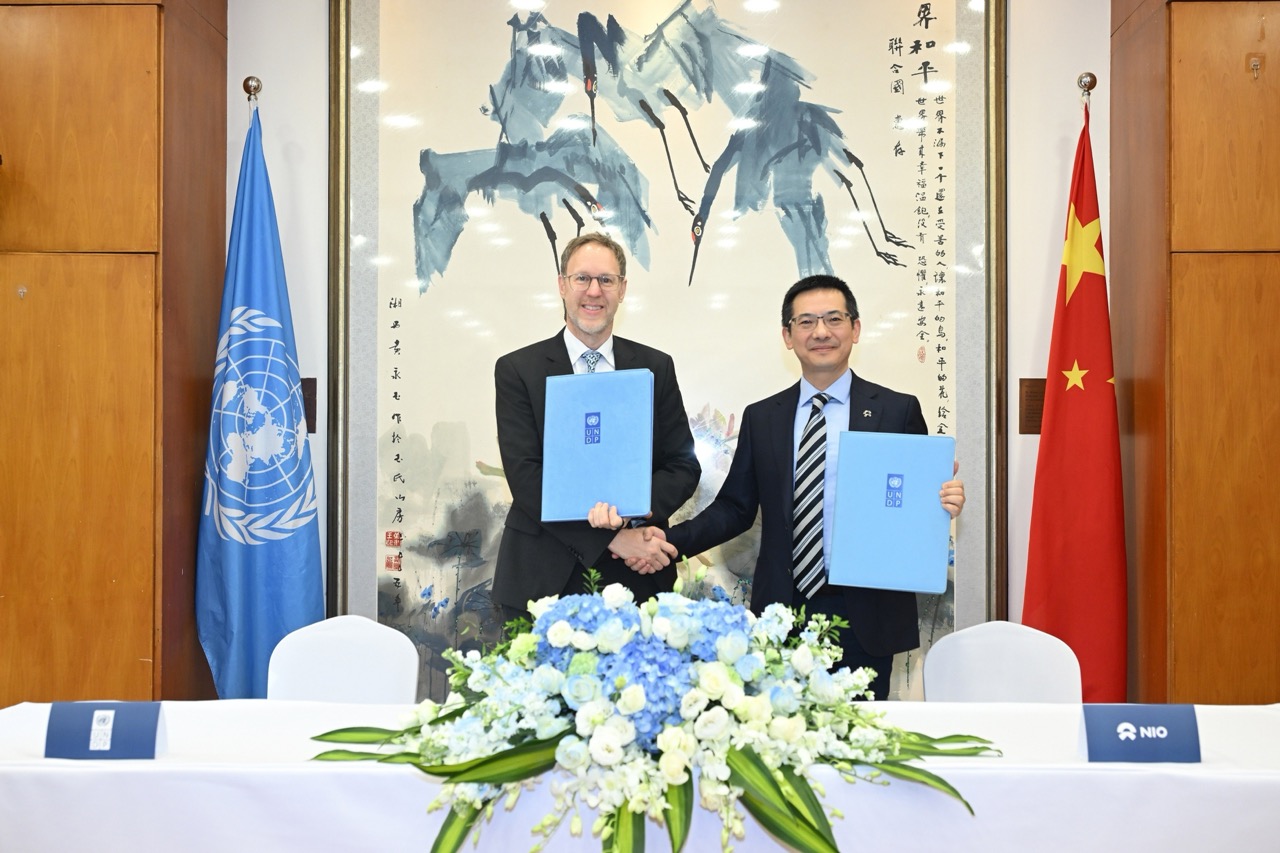
Stefan Liller, UNDP Resident Representative in China, and Qin Lihong, Co-Founder and President of NIO, signed the agreement on behalf of their respective organizations. The ceremony was attended by Ma Chaode, UNDP Assistant Resident Representative in China; Liu Xin, Deputy Director General of the Department of International Cooperation at the National Forestry and Grassland Administration (NFGA); Sun Tao, Vice President of the Academy of Forestry Inventory and Planning under the NFGA; and other stakeholders. William Li, Founder, Chairman, and CEO of NIO, witnessed the signing online.
Clean Parks is a global ecological conservation initiative jointly launched by NIO, UNDP, and World Wildlife Fund (WWF). It is the world’s first automaker-led open platform for collaborative conservation in national parks and other protected areas. Guided by NIO’s mission, “Blue Sky Coming, Shaping a Sustainable and Brighter Future Together,” it brings together global specialized organizations, nonprofits, industry partners, users, and the public to apply technology, clean energy, and community resources to conservation on the ground. To date, Clean Parks has launched 19 projects in protected areas worldwide, including five national parks in China: Sanjiangyuan, Giant Panda, Northeast China Tiger and Leopard, Hainan Tropical Rainforest, and Wuyishan. Through smart electric vehicles (EVs), charging and battery swapping facilities, and clean energy infrastructure, the initiative supports greener operations and low-carbon, self-sustaining energy systems in protected areas.
Under the renewed agreement for the second phase of their partnership, NIO and UNDP will build on the achievements of the first phase. The two parties will continue expanding the reach of the Clean Parks initiative to more protected areas, develop replicable, scalable standards for low-carbon operations, renewable energy and green mobility. The partners will also work together to strengthen biodiversity conservation capability, support women- and youth-led ecological innovation, and raise the international profile of conservation achievements by sharing China’s experience in public-private partnerships for protected areas. These efforts will contribute to the implementation of the UN Sustainable Development Goals, the Kunming-Montreal Global Biodiversity Framework, and the Paris Agreement.
William Li said, “Over the past few years, our collaboration has delivered meaningful results. Looking forward, NIO hopes to work more closely with UNDP, drawing on our respective strengths to bring more innovative solutions to protected areas, inspire more young people to take action for sustainability, and engage more stakeholders in collective conservation efforts.”
Stephan Liller described the renewal of the agreement as a significant milestone in the UNDP-NIO partnership. Since the project was launched in 2022, collaborative efforts across multiple stakeholders have yielded substantial results, including the publication of the guidelines for biodiversity-friendly supply chain management in EV manufacturing and the deployment of EV patrol solutions in Chongming Dongtan National Nature Reserve, Yellow River Delta National Nature Reserve, and Qilian Mountain National Park. At Chongming Dongtan alone, the integrated solar, energy storage and charging system, together with EV patrols can reduce CO₂ emissions by 28.4 tonnes annually. The partnership has also established a multi-stakeholder co-management platform and delivered capacity-building activities reaching more than 7,000 people.
Liller commended NIO’s pioneering contribution to the Kunming Biodiversity Fund, emphasizing that businesses play a critical role in advancing the Kunming-Montreal Global Biodiversity Framework. In the second phase, UNDP will work with stakeholders to strengthen the collaborative platform, explore innovative financing mechanisms, and deepen knowledge sharing and capacity-building efforts, turning proven practices into scalable solutions and advancing biodiversity conservation and climate action through cross-sector collaboration.
Liu Xin, Deputy Director General for international cooperation at the NFGA, said the signing comes at a particularly meaningful time, marking the fifth anniversary of the establishment of China’s first national parks. China’s efforts to develop its national park system and combat desertification through the Three-North Shelterbelt Forest Program continue to explore ways to balance conservation and development, offering valuable experience for global ecological governance. Against the backdrop of global efforts to address climate change and biodiversity loss, diversified financing mechanisms and technological innovation are increasingly important. Liu spoke highly of the innovative model developed by UNDP and NIO to bring clean energy solutions to protected areas. For the second phase, the Academy of Forestry Inventory and Planning under the NFGA will join the implementation, bringing its technical expertise to explore ways to integrate clean energy with biodiversity conservation. She also welcomed greater participation from international organizations and businesses in nature conservation.
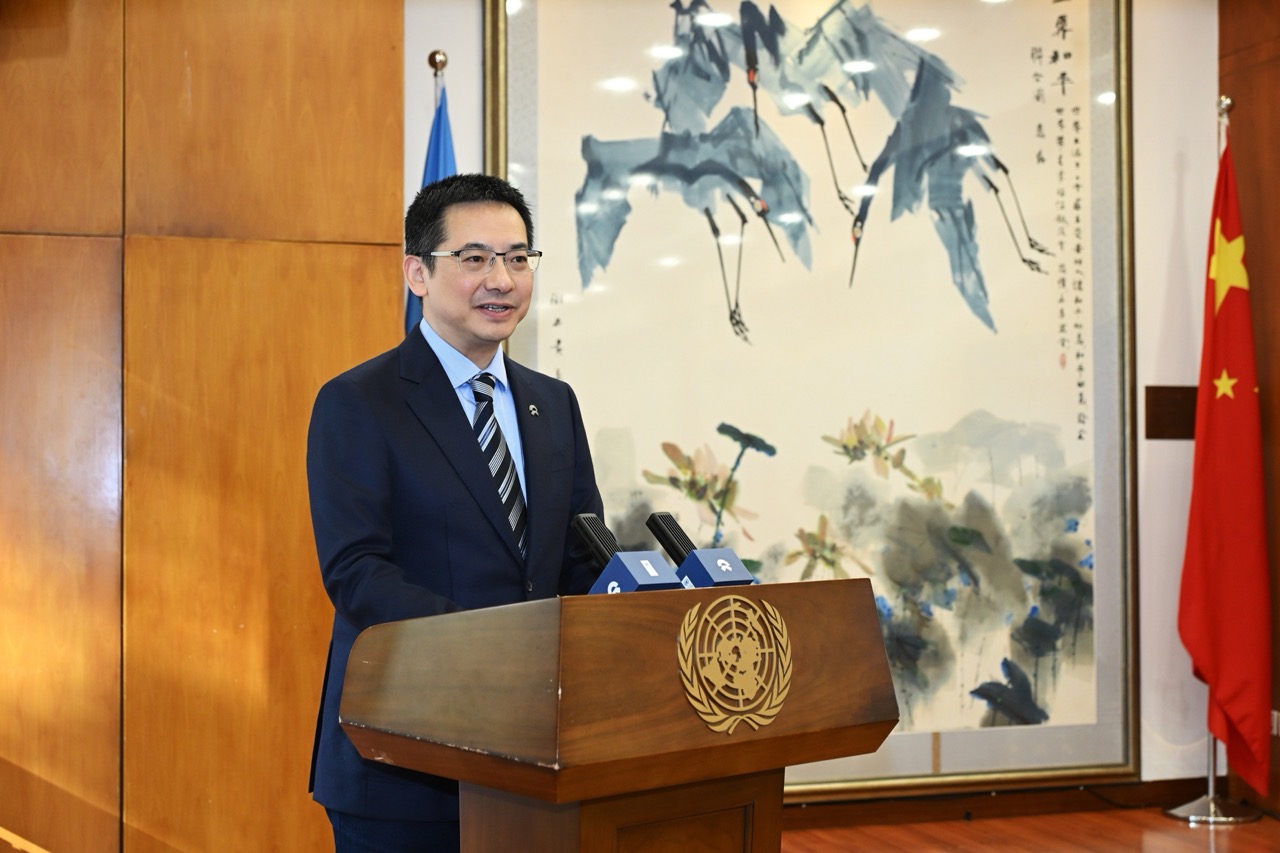
Qin Lihong, Co-Founder and President of NIO, said this year marks the fourth year of NIO’s collaboration with UNDP on the Clean Parks initiative, with the renewal signaling a new phase of the partnership. For more than a decade, NIO has remained committed to an all-electric strategy and driven low-carbon transformation across its value chain. On the manufacturing front, NIO’s factory has been recognized as a Global Lighthouse Factory by the World Economic Forum and designated as a National Green Factory in China. Renewable electricity accounted for 56% of the power used in manufacturing in 2025. On the energy front, NIO has built more than 9,800 battery swapping and charging stations worldwide, including over 4,300 Power Swap Stations, and delivered more than 130 million battery swaps to date. In addition, more than 860 Power Swap Stations and 26,000 charging piles have participated in grid-interactive operations, unlocking the value of distributed energy storage and supporting greater consumption of renewable electricity.
Looking ahead to the second phase, Qin said NIO looks forward to working with all partners to bring clean energy solutions to more protected areas, establish a replicable model for collaboration, and strengthen international exchanges, public education, and user engagement. NIO will continue to contribute its expertise and resources to the initiative.
Leng Fei, Green Finance Portfolio Manager at UNDP China, highlighted the key achievements of the first phase of the Clean Parks initiative. Jointly implemented by UNDP and NIO, the initiative has brought clean energy and green mobility solutions to three protected areas: Chongming Dongtan, the Qilian Mountains, and the Yellow River Delta. These include integrated microgrids combining solar power, energy storage, and EV charging designed to support biodiversity conservation and climate action. The first phase also delivered the Guidelines for Biodiversity-Friendly Supply Chain Management in the Electric Vehicle Industry. Building on this progress, the second phase will bring green finance further into the initiative, helping build more resilient communities and cities.
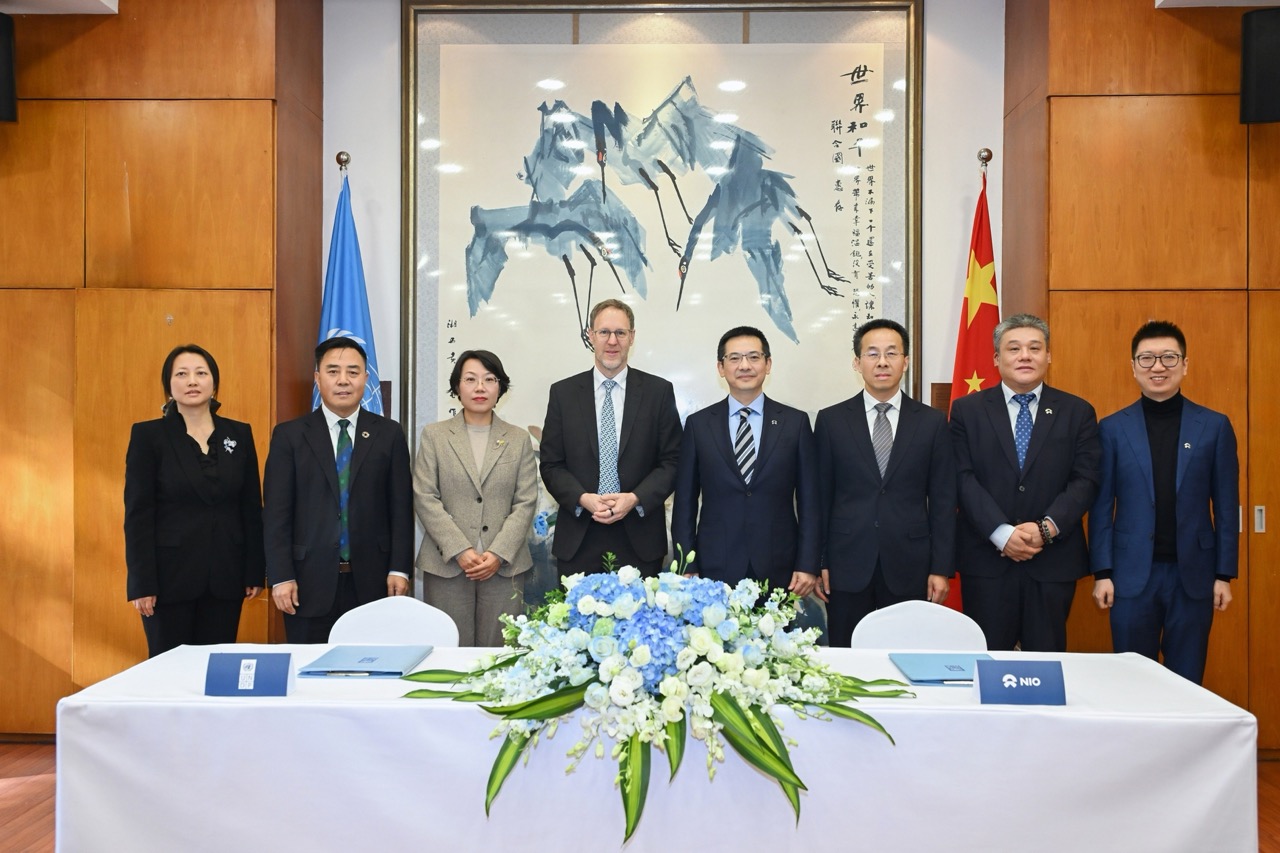
Through the Clean Parks initiative, NIO and UNDP will continue to foster collaboration among governments, international organizations, businesses, and the public to advance nature conservation. By harnessing clean energy technologies to protect biodiversity and engaging more stakeholders in conservation efforts, the partnership aims to help build a sustainable future in which people and nature thrive together.
About NIO
NIO is a global smart electric vehicle company founded in November 2014. Dedicated to shaping a sustainable and brighter future together by providing high-performance smart electric vehicles and exceptional user experiences, NIO is the first car company listed on the NYSE, HKEX and SGX. NIO currently has three major brands under its umbrella: NIO, ONVO and firefly.
Ten years into establishment, NIO is now one of the leading companies in the global premium smart electric vehicle market, committed to fostering its own research and development capabilities for core technologies, the company had filed for and obtained over 13,000 patents. Additionally, NIO has developed NIO Full Stack, a collection of 12 technology domains.
Currently, NIO has R&D centers and manufacturing facilities in over 10 locations, including Shanghai, Hefei, Beijing, Nanjing, San Jose, Munich, Oxford, Budapest, Singapore, and Abu Dhabi. Additionally, it has built a sales and service network across 24 countries and regions, including China, Europe, the Middle East, Central Asia, Southeast Asia, and Central America.
NIO Inc. currently offers eight premium smart electric vehicle models under the NIO brand, two smart electric vehicle under the ONVO brand and one small, smart, high-end electric vehicle under firefly brand. As of September 1, 2026, NIO Inc.’s cumulative deliveries reached 1,260,485 vehicles, reinforcing its position as a leader in advancing technological innovation and premium brand development in China’s smart EV industry.
